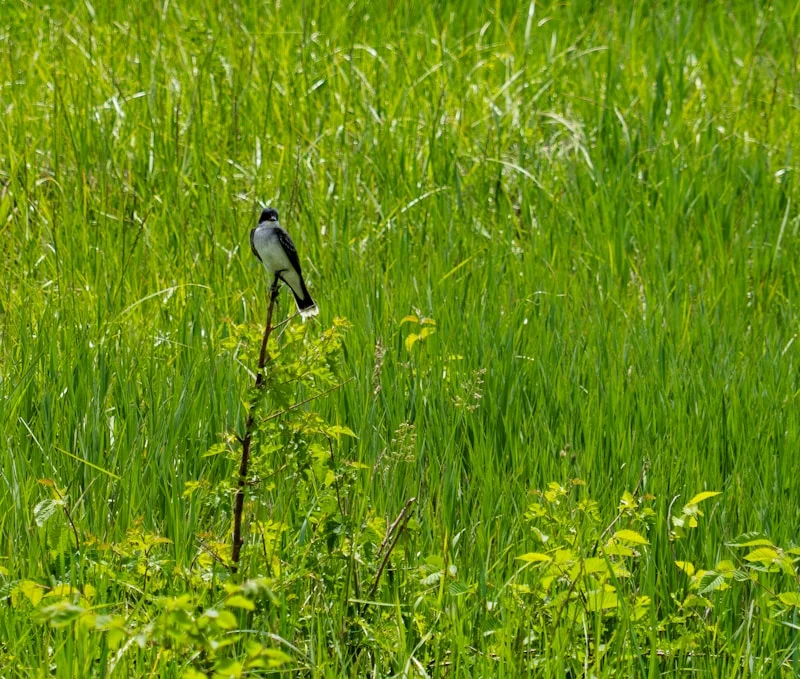
Chaplin Lake Region · South-Central Saskatchewan
Chaplin Lake Complex Restoration
Phase 2 of a three-phase effort to restore 3,200 acres of saline lake habitat. This phase rehydrates five drained potholes and reseeds native shoreline.
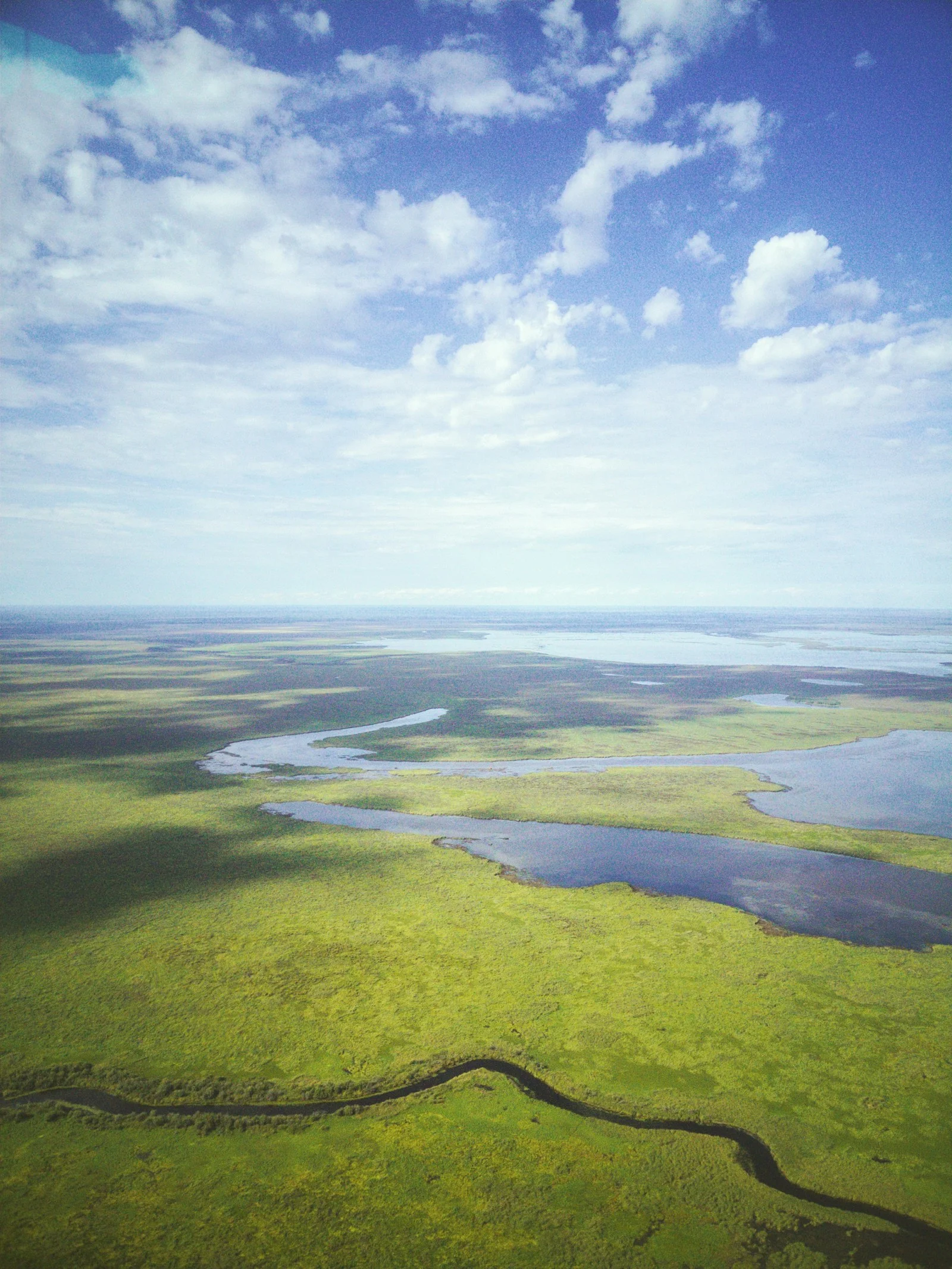
Saskatchewan keeps losing native grassland and wetland. Since 2011 we have worked with landowners, scientists, and Indigenous communities across the province to slow that loss and bring habitat back.
Native grassland soils hold carbon for centuries (see our 2019 paper). Once ploughed, that carbon and the plants above it are hard to get back. So we buy grassland, restore what has been broken, and count what lives there.
Our numbers, as of the 2025 field season, are on the About page.
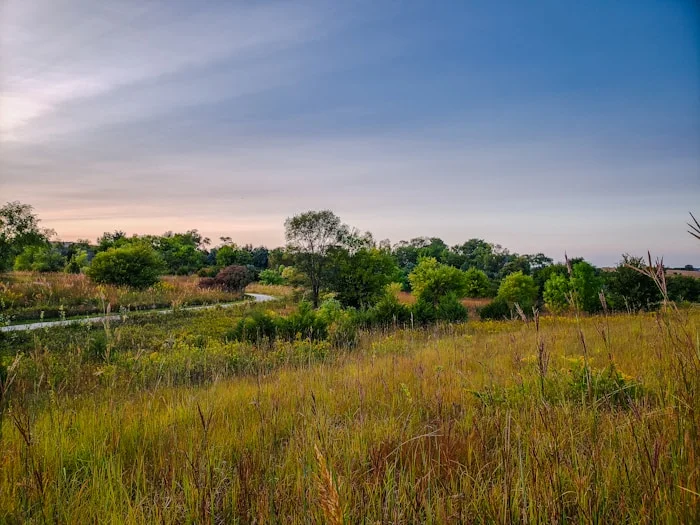
Reseeding native grasses and wildflowers on degraded land, with willing landowners across the province.
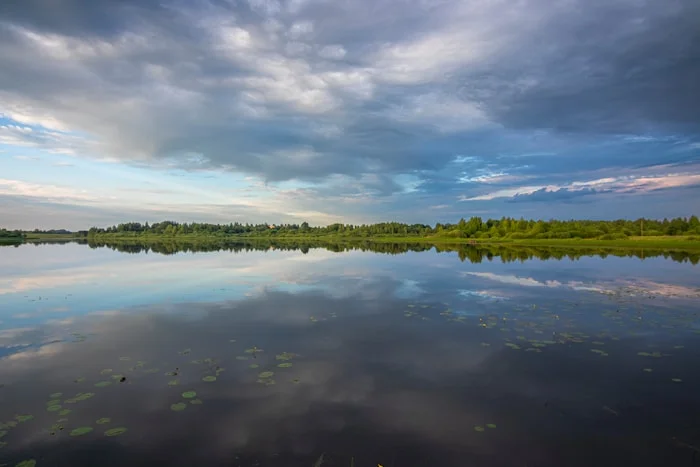
Restoring potholes and sloughs that were drained for cropland. They hold spring runoff and give waterfowl a place to nest.
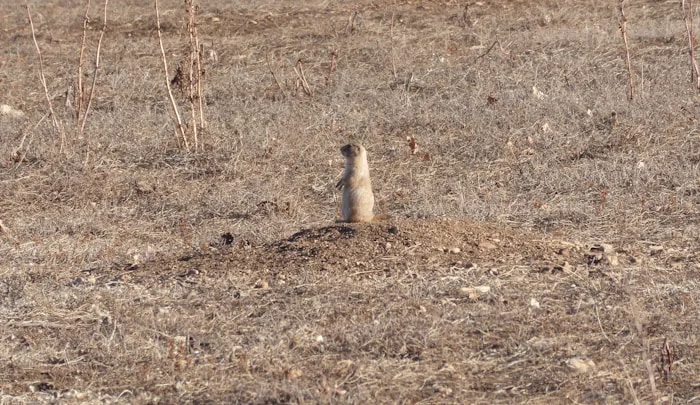
Annual surveys of at-risk species, from burrowing owls to hairy prairie-clover, with the findings published openly.
Chaplin Lake Region · South-Central Saskatchewan
Phase 2 of a three-phase effort to restore 3,200 acres of saline lake habitat. This phase rehydrates five drained potholes and reseeds native shoreline.
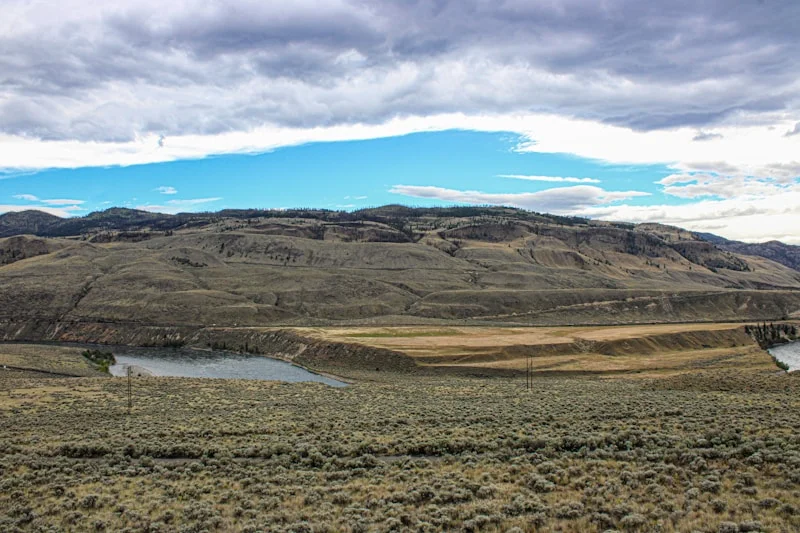
Qu'Appelle Valley · Southern Saskatchewan
Working with 14 landowners on a continuous native grassland corridor between two existing conservation easements, the first of its kind in the valley.
Own land in Saskatchewan? We visit at no cost, and if there is prairie or a wetland to bring back, we do the work and fill in the Farm Stewardship Program paperwork with you.
How landowner stewardship worksSpring and summer field days for seeding, plant surveys, and habitat assessment. Most roles need no experience, just sturdy boots.
Sign up for field daysDonations pay for native seed, field equipment, and science staff. About 88 per cent of spending goes to field work. CanadaHelps issues the tax receipts.
Give via CanadaHelps